

Science That
Returns to Nature.
Every Ecospear product is backed by years of research, internationally recognized certifications, laboratory testing, and real-world validation—because sustainability should be proven, not promised.
Nature Already Has the Perfect Recycling System







Why Plastic Became a Global Problem – And Nature Has the Solution








Not All "Eco-Friendly
Claims Are True."
Know the difference.
Choose what's actually better.
CONVENTIONAL
PLASTIC
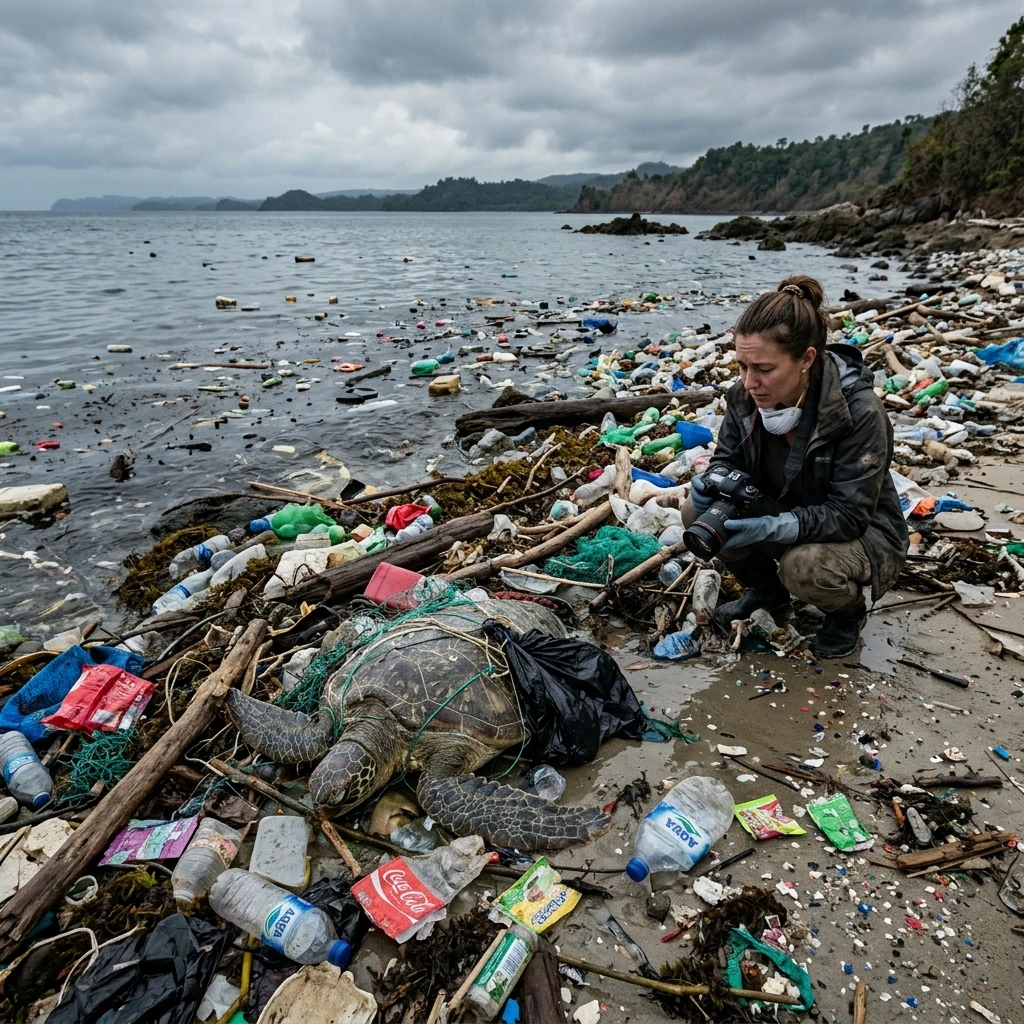
- Made from fossil fuels
- Remains for generations
- Creates persistent plastic pollution

OXO-DEGRADABLE
PLASTIC
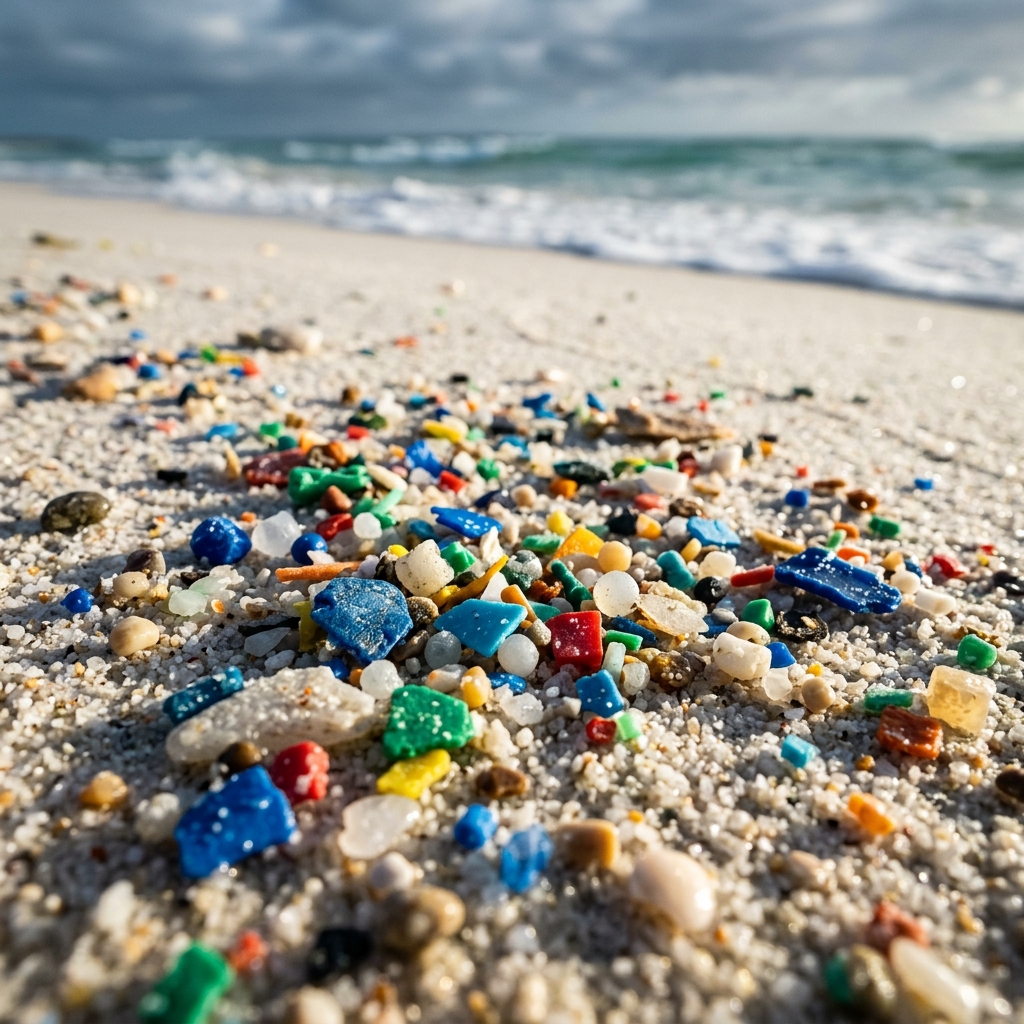
- Conventional plastic with additives
- Breaks into smaller plastic pieces
- Leaves microplastics behind


INDUSTRIAL
COMPOSTABLE
- Requires industrial composting conditions
- Not suitable for home compost
- Limited accessibility

HOME
COMPOSTABLE
- Breaks down in home compost
- Returns naturally to the environment
- Leaves no harmful residue
Before You Buy
Any Bag, Ask.
These Questions.
A responsible choice
starts with the
right questions.
Is it independently certified?
Is it thoroughly tested?
Is it home or industrial compostable?
Does it leave microplastics behind?
Does it break down in a home compost?
Does the manufacturer provide full transparency?
Home Compostable
vs Industrial
Compostable
Different Environments.
Different Requirements.

HOME COMPOSTABLE
-
Breaks down in home compost within 90-180 days
-
Works in natural, lower temperature conditions
-
Does not require special infrastructure
-
Better for communities where industrial composting is limited
INDUSTRIAL COMPOSTABLE
-
Requires industrial composting facilities
-
Needs controlled high temperature & humidity
-
Infrastructure and collection systems are necessary
-
Effective when industrial composting exists

Evidence You Can Verify



International material certification for compostable resin in North American standards.
View Details

& Development
Certifications
Studies
& Partners
70 Days in the Field: Observed Film Breakdown
A field-test report from Sreepur, Bangladesh records visible changes to film samples during a 70-day outdoor observation. The report does not establish complete biodegradation, zero residue, or the performance of every finished product; check the relevant product certificate and test data for those claims.

Day 1
Field Installation
Mulch film deployed
Day 14
Sprout Emergence
Fungal colonization
Day 28
Vegetative Growth
Vines thrive, film stable
Day 42
Crop Maturity
Decay initiated at base
Day 56
Soil Perforation
Heavy fragmentation
Day 70
Full Absorption
Assimilation into soil
Final Result
Living Soil
0% synthetic residueZero Microplastics
100% biological assimilation without persistent polymer particles.
Healthy Crop Ecology
Tested on gourd vine beds; promotes active earthworm & fungal vitality.
Independent Research
Conducted and documented by CCDB Climate Centre researchers.
Agronomic Safety
No ecotoxicity or soil chemistry alteration detected post-trial.
Authentic CCDB 70-day field report PDF (interactive viewer).
Our Journey: Years of Research, Innovation & Commitment
Quality Starts Long
Before Production
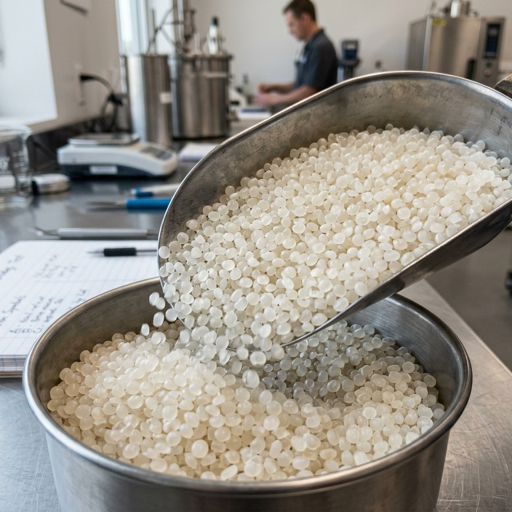
Ecospear packaging is formulated from PBAT, PLA, and cornstarch.
Materials

Inspection

Extrusion
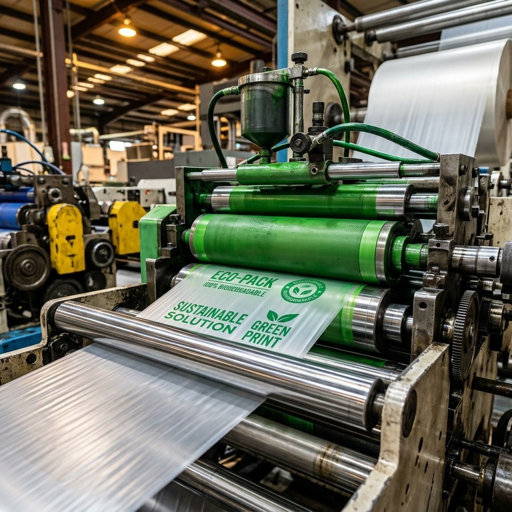

Making

Verification
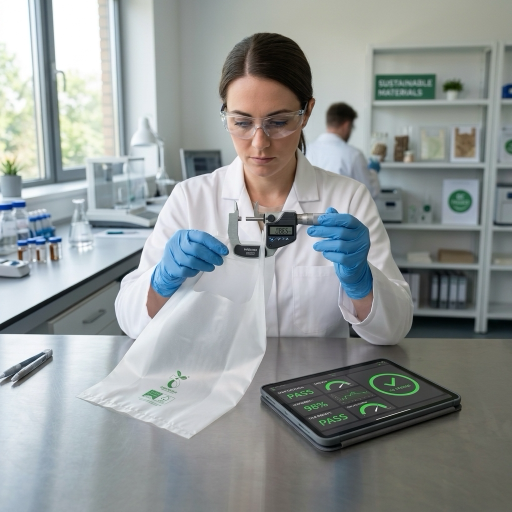
Control
Continue Learning in Our
Knowledge Center





Nature Doesn't Believe Marketing.
It Only Responds to Science.
Backed by research. Validated by real-world results.
Proven to return to nature.