Key Takeaways
Garment packaging protects your products, supports efficient handling and preserves the presentation your brand has created. The right garment poly bag depends on size, material performance, closure design, printing needs and credible environmental claims.
What Is Garment Packaging?
Garment packaging includes the bags and protective materials used to contain and protect clothing during storage, handling, transportation and distribution. Garment poly bags are commonly used to keep products organized, protected and looking their best throughout the supply chain.
 For Manufacturers
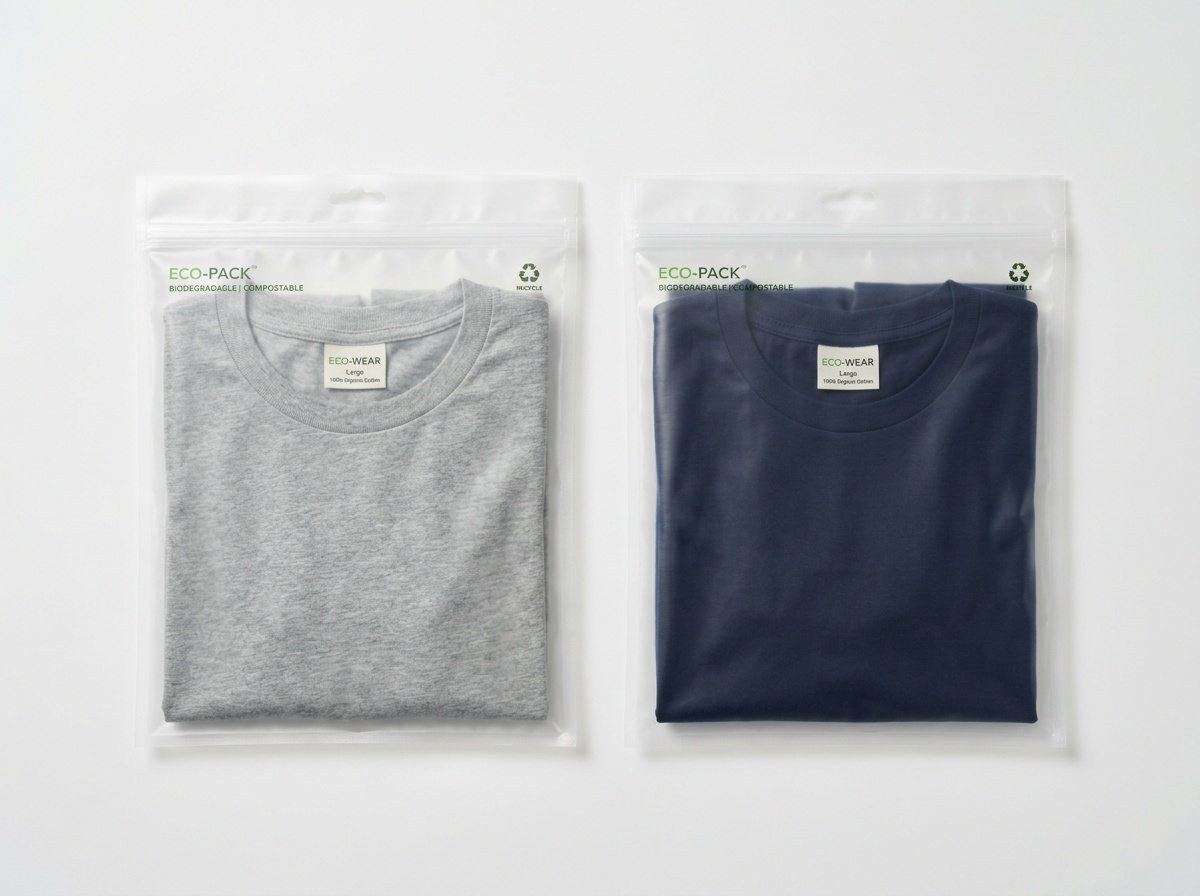
Keeps garments clean and protected from production lines, finishing floors and carton packing to outbound freight.
 For Brands & Retailers
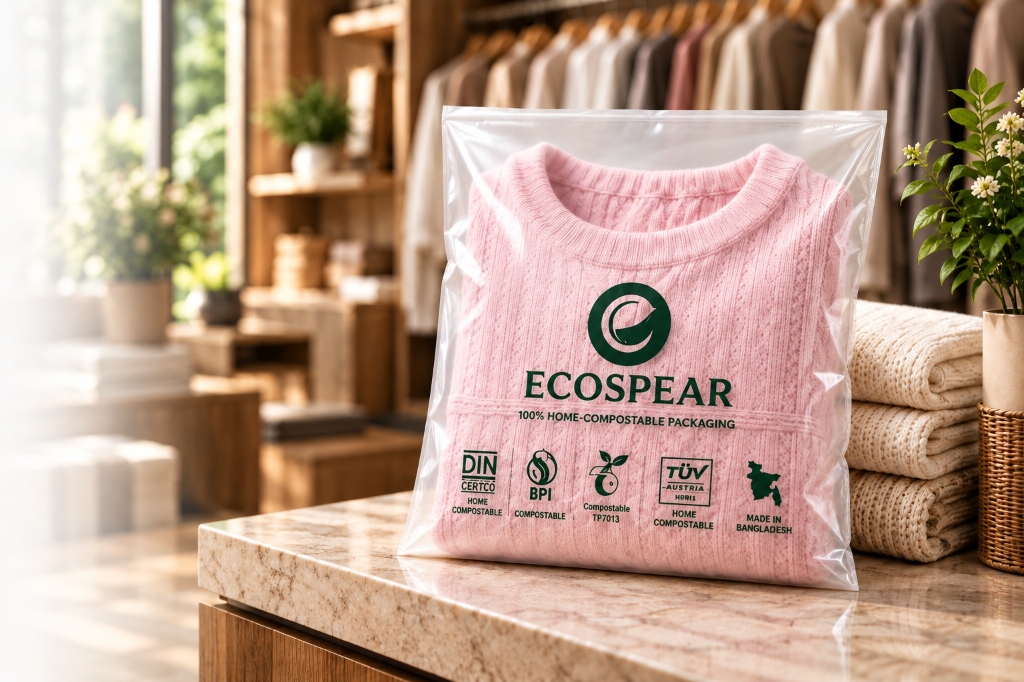
Supports premium shelf presentation, pristine unboxing, barcode scanning and an excellent customer experience.
 For Export & Distribution
Helps maintain product integrity, moisture defense and dust separation across complex multi-modal international freight.
In apparel logistics, poly bags serve as the primary containment layer. They prevent individual items from rubbing against carton walls, absorb friction, and allow warehouse pickers to read RFID and barcode tags without exposing sensitive textiles to warehouse dirt or humidity.
Key Factors for Selecting the Right Garment Poly Bag
Every detail affects performance, presentation and cost. Use these key factors to choose a garment poly bag that fits your product and supply chain.
Size and Fit
Match the bag size directly to your folded garment dimensions and packing method. Oversized bags cause excess material waste and loose folding; undersized bags risk seam rupture or compressed textiles during carton stacking.
Material Performance
Evaluate tensile strength, puncture resistance, optical transparency and durability under transit conditions. Bags must withstand automated conveyors, carton compression, and ambient humidity fluctuations without tearing.
Closure Design
Confirm the required adhesive-flap seal. The adhesive strip must provide consistent peel release, secure adhesion, and swift packing speed on factory floor packing stations without snagging fabrics.
Printing and Identification
Ensure brand artwork, size indicators, SKU barcodes, recycling or compostability logos, and mandatory international safety warnings (such as multi-lingual suffocation warnings) remain sharp, legible and scannable.
Standard Garment Poly Bag Sizing Reference
Industry benchmark dimensions for apparel folding, packaging and export carton packing
| Garment Category | Standard Dimensions (W × L + Flap) | Recommended Film Gauge | Closure & Vent Holes |
|---|---|---|---|
| T-Shirts & Polos | 10" × 12" + 1.5" flap (25 × 30 + 4 cm) | 25 – 30 µm (1.0 – 1.2 mil) | Resealable strip + micro-vent |
| Dress Shirts & Blouses | 11" × 14" + 2" flap (28 × 35 + 5 cm) | 30 – 35 µm (1.2 – 1.4 mil) | Resealable strip + air-release hole |
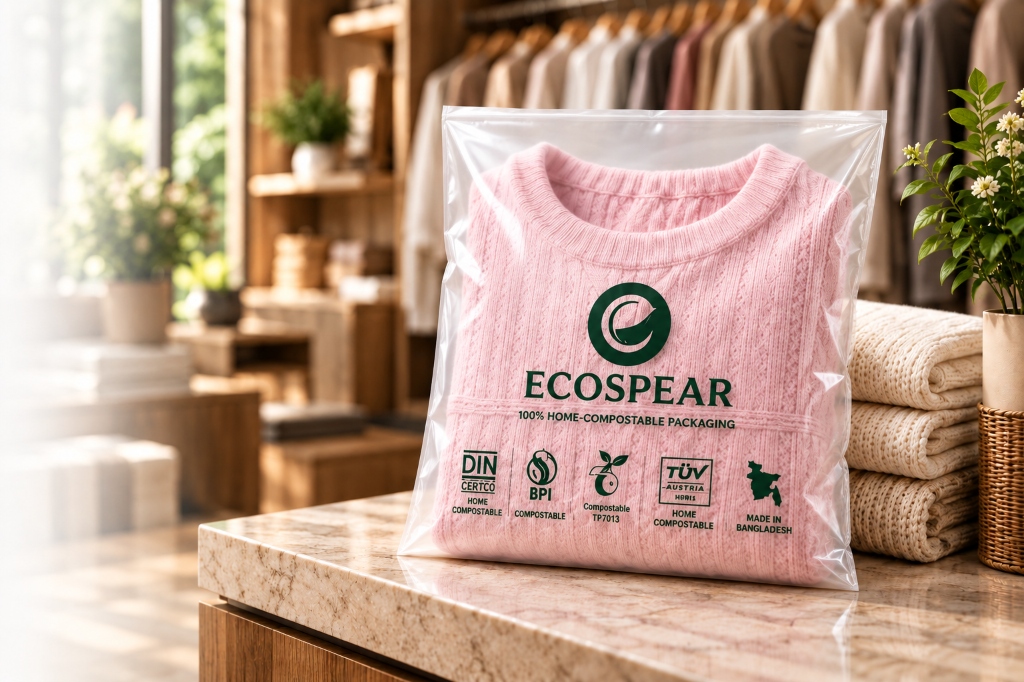
| Knitwear & Sweaters | 12" × 16" + 2" flap (30 × 40 + 5 cm) | 35 – 40 µm (1.4 – 1.6 mil) | Permanent or resealable + 6mm vent |
| Hoodies & Heavy Fleece | 14" × 18" + 2.5" flap (35 × 45 + 6 cm) | 40 – 45 µm (1.6 – 1.8 mil) | Heavy-duty peel strip + dual vent |
| Trousers & Denim Jeans | 12" × 15" + 2" flap (30 × 38 + 5 cm) | 35 – 40 µm (1.4 – 1.6 mil) | Reinforced side-weld + anti-burst vent |
Understanding the Adhesive-Flap Closure
Ecospear garment poly bags use an adhesive strip on the flap that folds over and sticks to the back of the bag. This provides a clean, secure and efficient closing method.
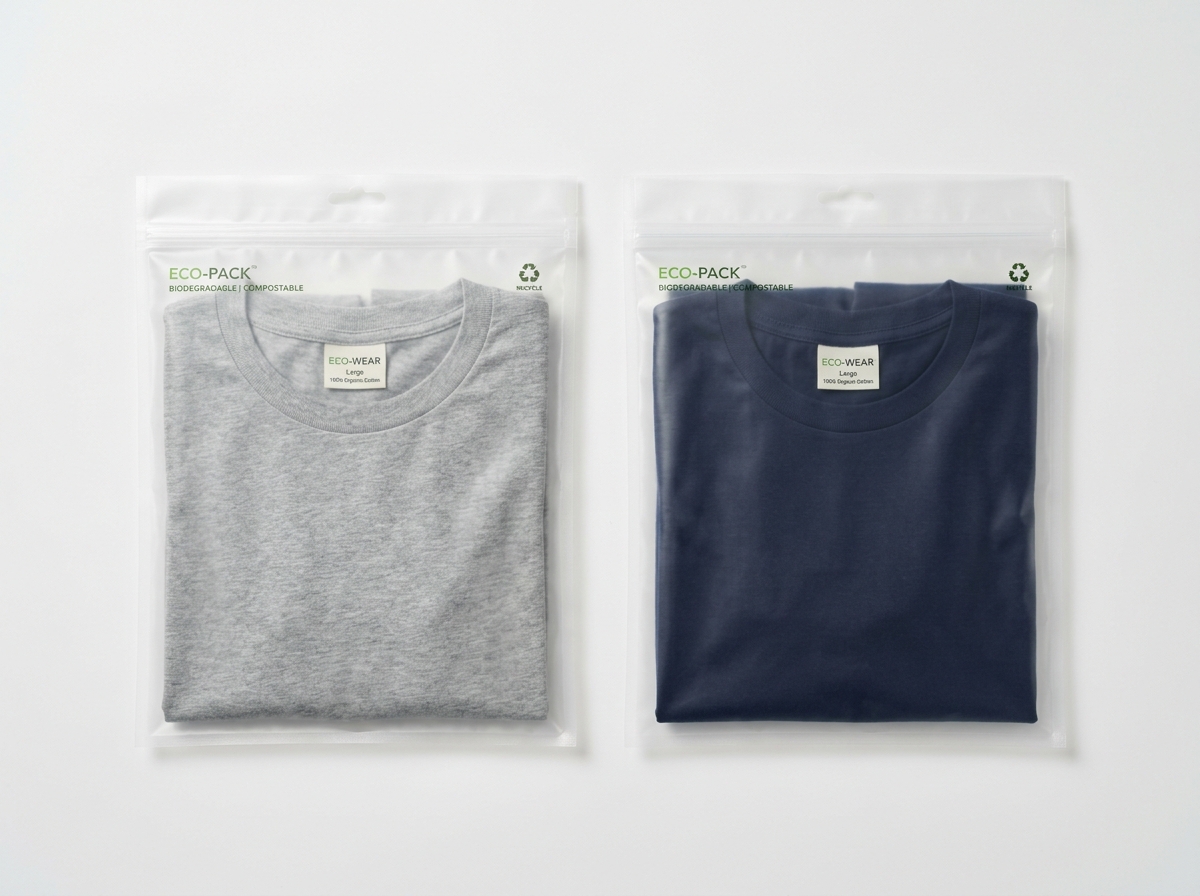
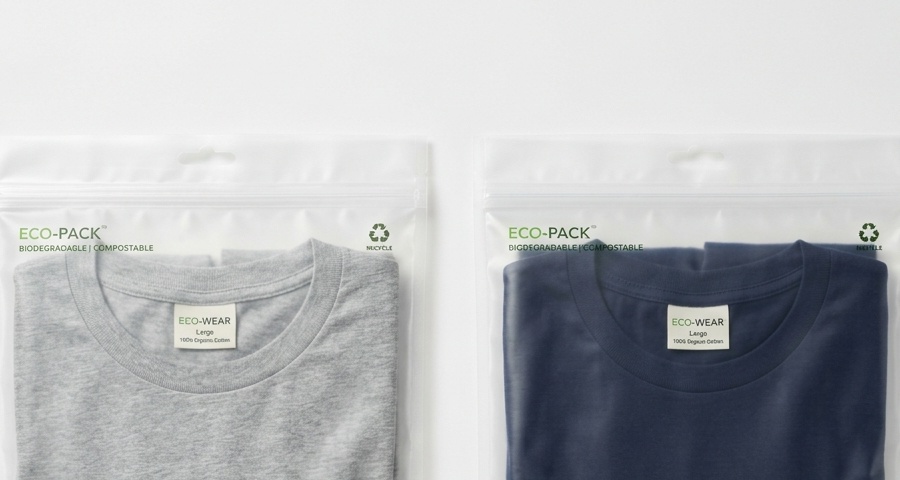
Conventional Packaging or a More Responsible Alternative?
Brands increasingly look for packaging solutions that meet performance needs while supporting their broader sustainability goals. A responsible choice should be based on clear information and evidence, not a general statement alone.
Understand the Material
Request clear technical information about the packaging material and the exact resin specification being offered (e.g., starch-blended compostable biopolymers vs conventional LDPE).
Check the Evidence
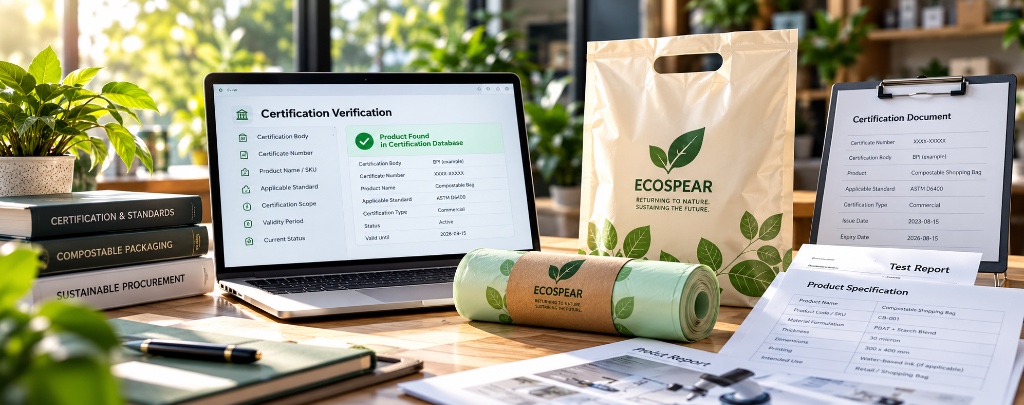
Ask for accredited laboratory test reports (such as BDS EN 13432, ASTM D6400, or ISO 17088) relevant to the exact finished product specification and the claim being made.
Consider the End-of-Life Route
Understand the conditions required for composting or recycling, and verify whether the appropriate waste management infrastructure exists in your target retail markets.
A Practical Checklist for Buyers
Use this checklist to evaluate garment packaging options and align your technical requirements with your supplier.
How to Assess Environmental Claims
Terms like biodegradable and compostable are often used, but they are not interchangeable. For garment packaging, the key is to understand what the claim means, what evidence supports it, and whether it suits your market.
Identify the Exact Product
Ensure the documentation and test reports cover the specific garment poly bag you are purchasing, including the film thickness, additive packages, and printing inks.
Understand the Conditions
Compostability is not a universal property. Industrial composting requires high-heat facilities (58°C), while home compostable standards require ambient degradation.
Check Market Suitability
Consider the available waste management infrastructure and regional packaging regulations (e.g. EU PPWR, UK EPR) in your brand's retail destination markets.
Garment Packaging at Ecospear
Ecospear develops packaging solutions for business applications, including garment poly bags. We work with apparel manufacturers, exporters, fashion brands and retailers to provide packaging that meets product, supply-chain and environmental requirements.
Moisture, soil and dust barrier throughout global shipment.
Fast packing release liners and high carton packing density.
High-clarity flexo printing for barcodes, logos & warnings.
Certified bio-based compostable formulations tested to standards.
Frequently Asked Questions
Here are answers to common questions about garment packaging. For project-specific requirements, please contact our team.