
Executive Summary
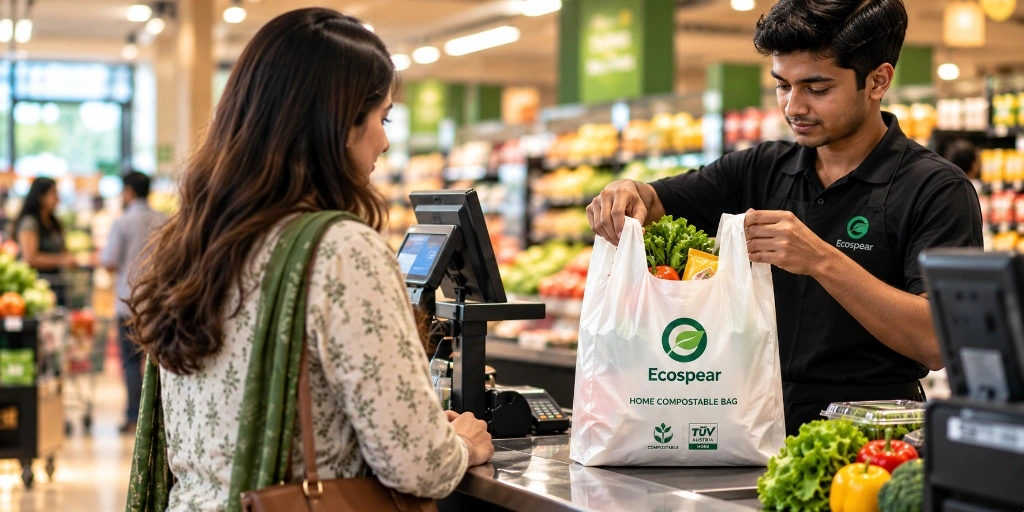
Retail chains play a decisive role in eliminating plastic pollution by transitioning checkout operations to certified compostable packaging. This guide explores why the transition matters, key operational evaluation criteria, national policy context in Bangladesh, and a practical 5-stage roadmap backed by Ecospear's retail experience.
Why Retail Chains Need a Different Approach to Packaging
Retail packaging decisions influence customer experience, operational efficiency, brand reputation, and environmental footprint.
Volume and public visibility
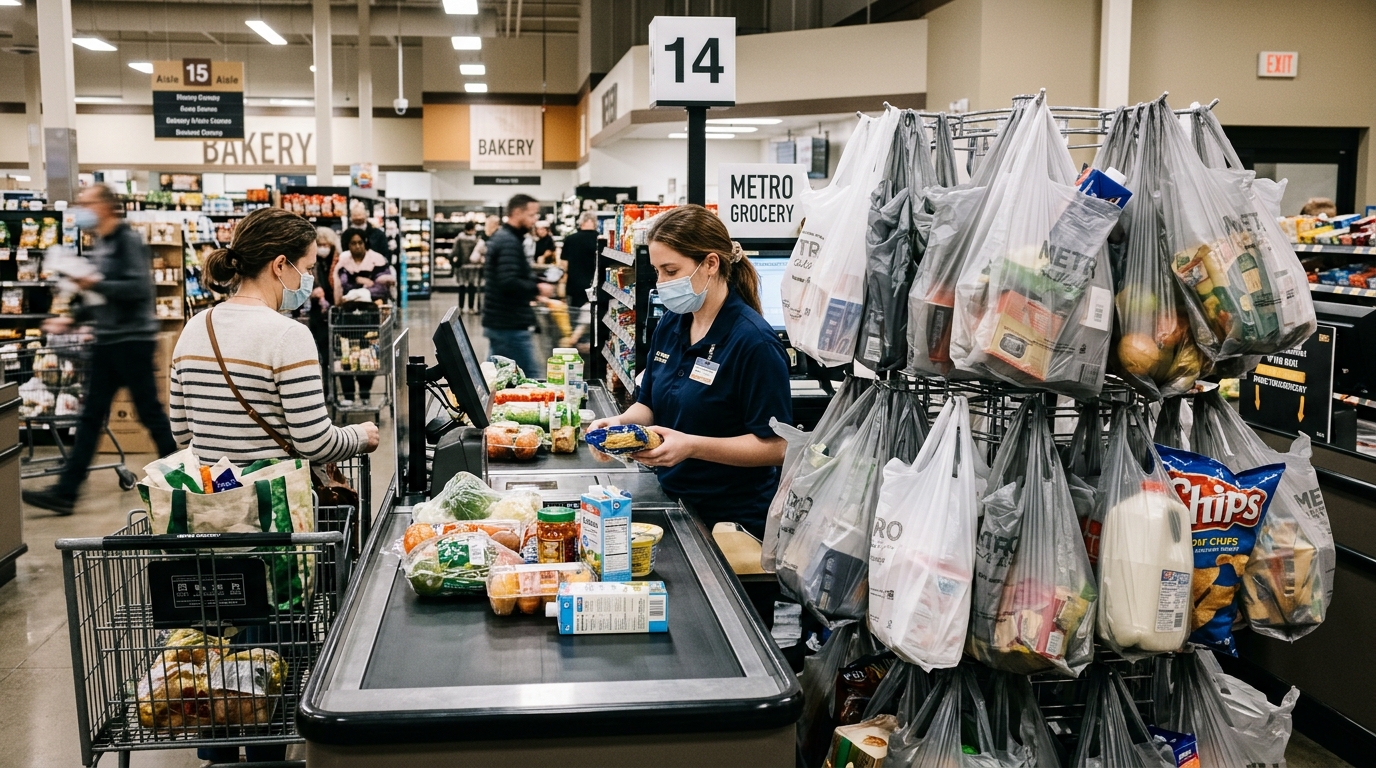
Supermarkets consume millions of bags annually. Each bag is a visible representation of your brand in public spaces and customer homes.
Evolving customer values
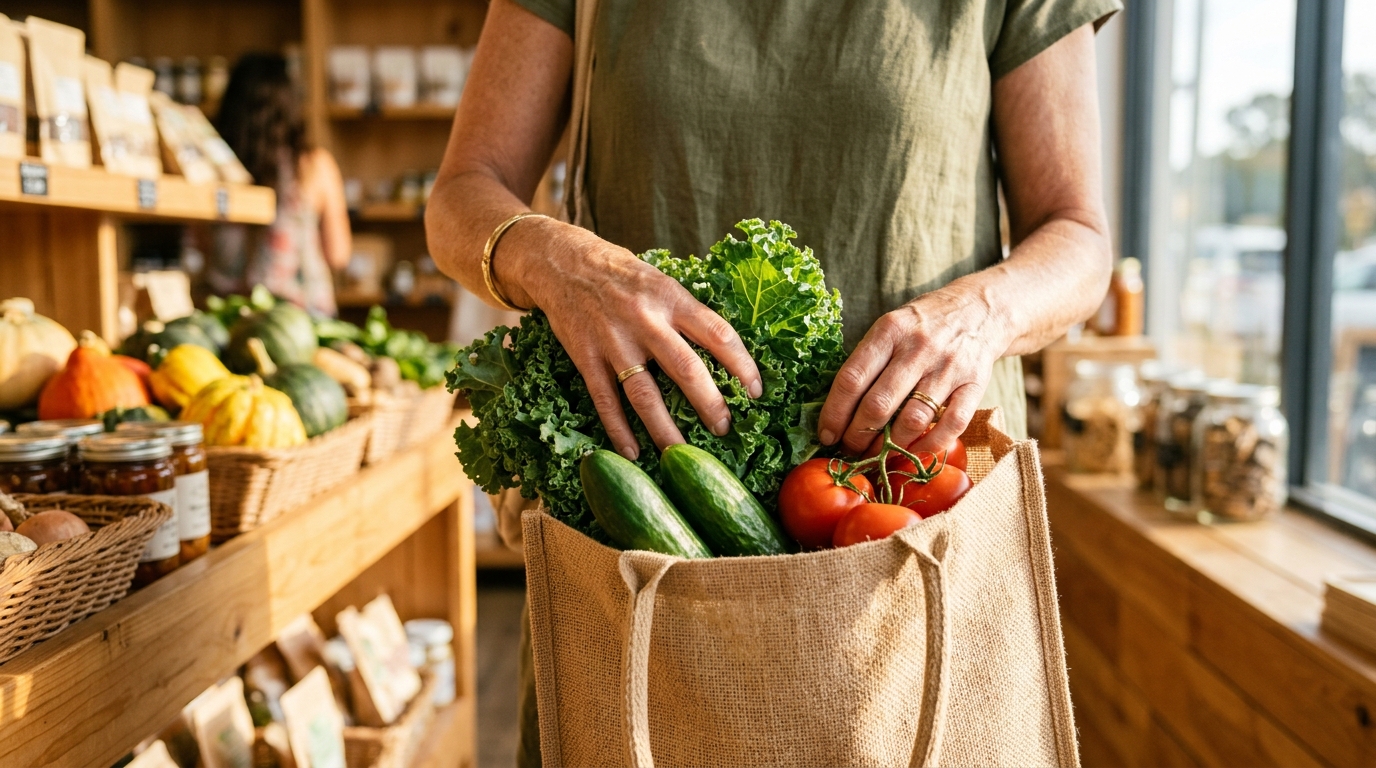
Shoppers increasingly favor retailers that demonstrate real environmental responsibility, especially as awareness of plastic pollution grows.
Rigorous operational demands
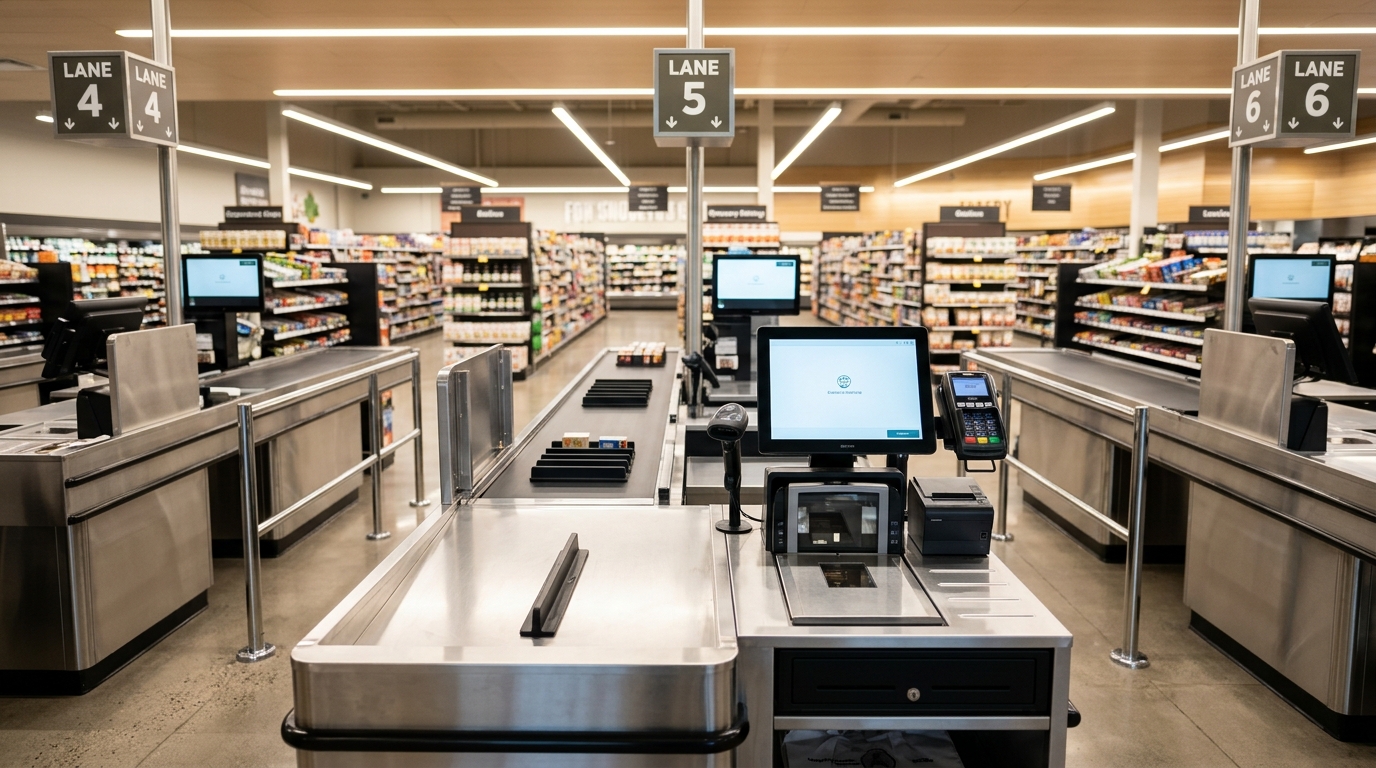
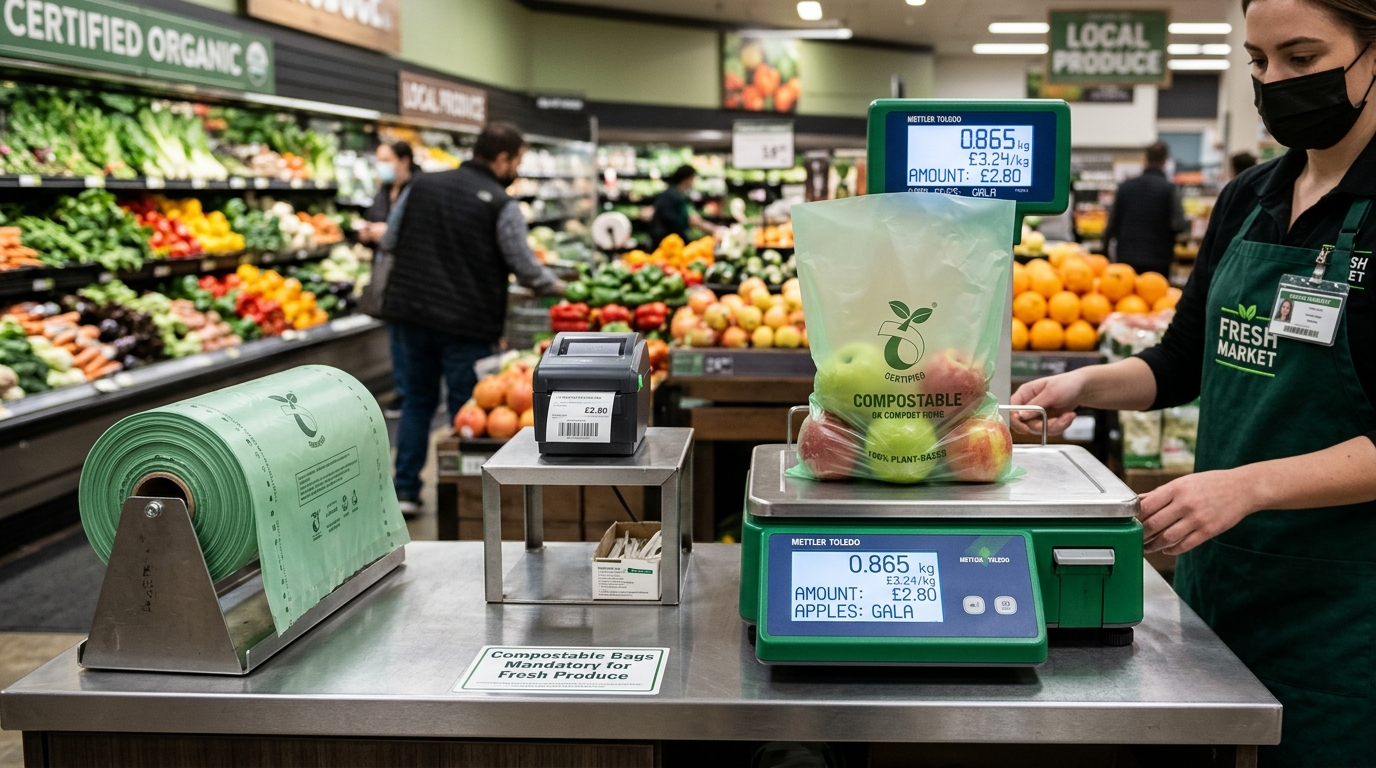
Carrier bags must open quickly at POS counters, hold up to 10 kg without tearing, and perform reliably with moist refrigerated items.
Evolving regulatory landscape
From single-use polythene bans to extended producer responsibility (EPR) guidelines, regulatory pressure is accelerating the switch.

First-mover retail brand leadership
Retailers that lead the transition earn strong consumer goodwill and establish themselves as sustainability champions, rather than reactive followers reacting under penalty.
Bangladesh's Transition: From Policy Discussion to Retail Implementation
Government policy, public awareness, and retail action are accelerating the shift away from conventional polythene.
Policy announcement
Restrictions on polythene and polypropylene bags in supermarkets announced by environmental authorities.
Retail preparation
Supermarket chains begin evaluating alternative packaging solutions, technical performance, and supply capacity.
Shwapno adopts Ecospear bags
Shwapno purchased 12 tonnes of biodegradable bags from Ecospear ahead of Eid, available at outlets in Dhaka and Chattogram.
Wider industry progress
Growing adoption across retail, lifestyle brands, and hospitality sectors with ongoing dialogue on standards and supply.
An Operational Methodology for Retail Conversion
From closed-loop material science and laboratory validation to checkout counter speed and inventory shelf-life, this operational methodology guides retail decision-makers through every milestone.
The Circular Compostable Packaging Lifecycle
Figure: Closed-loop biopolymer lifecycle illustrating the conversion of agricultural cassava and corn starches into certified carrier bags that return safely to agricultural soils without synthetic residues.
A Practical Transition Plan for Retail Chains
Explore the five operational stages retail teams navigate to successfully transition from polythene to certified compostable packaging. Select a stage to examine key procurement questions, testing evidence, and target outputs.
Audit Baseline Consumption & Basket Payload Requirements
- • What is our average daily bag consumption per checkout lane?
- • What are our peak grocery basket weights (5 kg, 8 kg, 12 kg)?
- • What proportion of checkouts involve cold, condensation-prone items?
- • POS sales transaction logs across weekday and weekend rush hours.
- • Historical bag damage and double-bagging incident records.
- • Current monthly polythene expenditure and supplier terms.
A finalized Retail Packaging Baseline Document specifying required bag sizes (Small, Medium, Large), target weight ratings (5–10 kg), and monthly volume projections.
Note: This 5-stage transition roadmap reflects commercial best practice and retail operational experience. It is designed to assist retail management and does not constitute an official statutory or regulatory compliance process.
How Retail Chains Should Evaluate Compostable Packaging
Select an evaluation pillar to explore the technical benchmarks, procurement questions, and operational red flags retail buyers must inspect before signing packaging supply contracts.
Material Integrity, Resin Chemistry & Mechanical Performance
Compostable carrier bags rely on biopolymer compounds blending renewable plant starches (corn or cassava) with certified biodegradable polyesters (PBAT/PLA). Retail buyers must evaluate empirical tensile strength, dart impact, and bottom-seal durability.
- • Minimum film gauge: 25 to 35 microns for retail grocery carrier bags.
- • Handle weld integrity under sustained 8 kg static suspension.
- • Chilled condensation resistance when carrying cold dairy or meat.
- • What percentage of bio-based starch resin is used in the compound?
- • Does the resin formulation maintain stretch elasticity without splitting?
- • How does dart-drop puncture resistance compare against HDPE?
- ⚠️ Deceptive "biodegradable" bags filled with chalk/calcium carbonate.
- ⚠️ Brittle seams that split along bottom heat welds under 5 kg load.
- ⚠️ Excessive film odor or unblended raw starch clumps.
Note: This buyer evaluation tool provides structured technical guidance for supermarket procurement teams. It is not an automated compliance verdict engine and does not replace accredited third-party laboratory verification.
Implementation Checklist for Supermarkets and Retail Groups
A disciplined operational checklist spanning procurement, stockroom management, POS checkout execution, and shopper education.
Procurement & Warehouse Operations
- Define clear volume baselines, peak checkout demand hours, and target bag micron thickness.
- Demand independent lab verification against accredited standard BDS EN 13432:2020.
- Require heavy metal, ecotoxicity, and biodegradation test reports (such as reported BCSIR testing).
- Enforce First-In, First-Out (FIFO) stockroom controls to consume stock within 10–12 months.
- Store cartons in dry, shaded, ventilated warehouse areas below 30°C on elevated pallets.
Checkout Operations & Customer Signage
- Conduct cashier training on two-handed bag opening, packing ergonomics, and load balancing.
- Deploy pilot trials in 2 to 3 flagship supermarket stores to benchmark scan-to-pack speed.
- Train frontline staff to explain the tactile feel and starch composition to curious shoppers.
- Display transparent point-of-sale customer signage explaining plant-based compostability.
- Track monthly polythene reduction metrics to publish substantiated corporate ESG claims.
Industrial Scale, Commercial Rollout & Sector Applications
Examining Ecospear's journey from foundational plant-resin research in 2016 to nationwide retail adoption with Shwapno, institutional engagements, and commercial bag geometries.
Ecospear: A Pioneer in Bangladesh's Compostable Packaging Movement
Explore the key milestones that established Ecospear as Bangladesh's pioneer in certified compostable packaging. Select a milestone along the timeline to reveal verified operational details and documentation.
Research & Biopolymer Development Initiative Begins
Founder Mohammad Raihan commenced intensive R&D into plant-based biopolymers, seeking a commercially scalable replacement for conventional single-use polythene. Initial formulations focused on modified starches derived from cassava and corn compounded with biodegradable polyesters.
Opportunities Beyond Supermarkets: A Wider Horizon for Bangladesh
How high-volume commercial sectors across Bangladesh are integrating certified compostable bag formats into daily operations.
Fashion & Department Stores
Apparel boutiques, footwear chains, and beauty retailers require sleek, handle-punched carrier bags with high visual appeal and premium print branding for dry retail goods without polythene.
Garment Manufacturing & RMG
Bangladesh's readymade garment exporters face strict environmental packaging requirements from European and North American buyers seeking non-petroleum protective bag packaging.
Commercial Kitchens & Hotels
Restaurants, corporate cafeterias, and hotel chains generate large volumes of organic waste. Certified compostable liners allow wet food scraps and liners to be composted together without manual bag debagging.
Ready to Plan Your Retail Chain's Sustainable Packaging Transition?
Transitioning a retail network requires more than buying substitute bags. It demands technical specification matching, staff training, reliable supply logistics, and transparent communication. Ecospear provides end-to-end guidance tailored for Bangladesh's retail realities.
Beyond Packaging. Contributing to the Bigger Conversation.
Policy dialogue, standards compliance, and international platforms shaping Bangladesh's sustainable packaging movement.
International Recognition: Invited as Distinguished Speaker by Yunus Centre
"In 2019, founder Mohammad Raihan received an invitation from the Yunus Centre to be a distinguished speaker at the 9th Social Business Day held in Bangkok, Thailand — recognizing early leadership in biopolymer materials and circular enterprise models."
The invitation recognized Ecospear's pioneering research into plant-based biodegradable alternatives to single-use plastics in Bangladesh. It highlighted the role of social business enterprise models in tackling environmental pollution, sustainable packaging, and circular economy principles.
Advancing National Compostability Standards (BDS EN 13432)
Ecospear actively supports the adoption of rigorous testing protocols across Bangladesh's retail supply chain, advocating for clear distinctions between authentic compostable formulations and deceptive oxo-degradable additives.
Department of Environment & BSTI Licensing Pipeline
In connection with the Certification Mark (CM Mark) licensing process, the Department of Environment has engaged with BSTI regarding Ecospear's manufacturing compliance under standard BDS EN 13432.
Independent Press Verification & Strategic Action
Third-party media coverage substantiating Ecospear's retail adoption and concrete steps for retail executives preparing their transition strategy.
Ecospear in the News: Independent Media Coverage
Independent reporting has examined Ecospear's biodegradable packaging, retail activity, and role in Bangladesh's evolving conversation about alternatives to conventional plastic.

"How environment friendly is the new ‘eco-friendly’ plastic bags in the market?"
Investigative reporting documenting Ecospear's supply of 12 tonnes of certified compostable shopping bags to leading supermarket chain Shwapno ahead of Eid, commercial testing milestones at BCSIR under the Fiber and Polymer division, BDS EN 13432 standard compliance, and international export distribution.
"বাজারে যে নতুন ‘পরিবেশবান্ধব’ প্লাস্টিকের ব্যাগ এসেছে, তা কতটা পরিবেশবান্ধব?"
Bengali investigative feature detailing Ecospear's cassava root technology, retail availability across supermarket outlets in Dhaka and Chattogram, and environmental degradation parameters.

"Bangladesh continues promotion of biodegradable bags amid battle against polythene"
International environmental news report covering the nationwide enforcement of single-use polythene bans, citing Ecospear CEO Mohammad Raihan on retail bag adoption and manufacturing economics.
Note: Independent reporting cited for informational and contextual reference. Media coverage does not imply endorsement, certification, or commercial partnership.
Conclusion: A Practical, Phased Path to Retail Sustainability
Transitioning a retail network from conventional polythene to certified compostable packaging is a practical operational objective. As demonstrated by pioneering retail adoptions in Bangladesh, success relies on selecting verified plant-based formulations, adhering to accredited standards (BDS EN 13432), conducting disciplined store trials, and training checkout staff on proper bag handling.
By pairing verified material performance with transparent customer communication, supermarkets and retail chains can eliminate single-use plastic waste while building enduring brand trust.